
Comprehensive Mental Health Resources in Canada: Your Guide to Support and Care


If you or someone you know needs support, the following organizations and tools can help.
Anyone struggling or has struggled with their mental health knows that navigating the world of mental health can sometimes feel overwhelming. Whether you’re seeking support for yourself during a hard moment or looking to assist others in need, knowing where to turn is crucial.
Canada offers diverse mental‑health support, with organizations like CADDAC and the Canadian Mental Health Association providing education, advocacy and community programs.

Offering vast help supporting a variety of services, including addictions, housing support, and Assertive Community Treatment (ACT) teams, to name a few.
These mental health resources support various needs that are designed to help manage mental health conditions, promote emotional well-being, and to connect you with certified and expert professionals who truly understand your journey.
Below, explore these options further, to support you and help you feel empowered during every step of the way.
Understanding the Landscape of Mental Health Support in Canada
Canada’s mental health system is diverse and inclusive, aiming to meet the needs of a wide range of individuals to access accessible services and provide support for various mental health issues.
From public health services to community organizations, there are many avenues to explore, regardless of age.

The first step often begins with recognizing what kind of support you need.
Are you looking for:
Therapy
Crisis intervention
Peer support
Educational resources?
Knowing this can help you find the right fit.
Here are some key types of services available:
Public Health Services: Provincial health plans cover many mental health services, including visits to psychiatrists and some therapists.
Community Mental Health Centres: These centres offer counselling, group therapy, and outreach programs.
Crisis Lines and Emergency Services: Immediate help is available 24/7 through hotlines and emergency departments.
If you or someone you know is thinking about suicide, call or text 9-8-8. Support is available 24 hours a day, 7 days a week.
Peer Support Groups: Connecting with others who share similar experiences can be incredibly healing like at the Peer Support Group of Canada.
Online Resources and Telehealth: Virtual therapy and digital tools (Teladoc Health) have become more accessible, especially in remote areas.

Understanding these options helps you make informed decisions about your care.
How to Access Mental Health Services Across Provinces
Each province and territory in Canada has its own unique system for delivering mental health care services, whether that be virtually or in-person. The goal remains the same: accessible, quality support.
Provincial services like Horizon Health in New Brunswick and Alberta Health Services operate crisis lines and treatment programs while specialized clinics such as the Ontario DBT Centre and the DBT Centre of Vancouver deliver evidence‑based therapies.
How to access mental health services available in some key regions across Canada:
Alberta: Alberta Health Services offers a range of mental health programs, including crisis intervention and addiction services.
British Columbia: The BC Mental Health and Substance Use Services provide specialized care, and the HealthLink BC phone line offers 24/7 support.
New Brunswick: Offers community addiction and mental health services to all ages through outpatient individual, group counselling, mobile crisis units (Horizon NB), to specialized treatments to those who live in New Brunswick. Additionally, therapy sessions are available at no cost.
Nova Scotia: There are a vast amount of mental health and addictions professionals across the province who provide support, programs, and services to Nova Scotians in-person and online.
Ontario: You can start by visiting your family doctor, who can refer you to specialists. Ontario also offers the ConnexOntario helpline for free, confidential information about mental health services.
Quebec: The public health system covers psychiatric services, and local CLSCs (Community Health and Social Services Centres) provide counselling and support.
No matter where you live, your family doctor or nurse practitioner is a great starting point. They can guide you through the system and help you find the right resources.
Exploring Specialized Support for ADHD and BPD

Living with mental health challenges can be difficult, especially for individuals who are neurodivergent like Attention Deficit Hyperactivity Disorder (ADHD) or are diagnosed with Borderline Personality Disorder (BPD).
Which is why it is important to seek support when experiencing mental overwhelm, distressing events in your life, or needing to understand your emotions.
Fortunately, Canada has specialized programs and resources that are designed to address these needs in individuals of all ages.
For free skill‑building including Cognitive Behavioural Therapy tools, BounceBack® offers coaching by phone and online videos to help manage low mood and anxiety
For ADHD
Adult Assessment and Diagnosis: Many clinics offer comprehensive assessments. Early diagnosis can make a tremendous impact and difference throughout childhood leading far into adulthood.
Therapeutic Interventions: Cognitive Behavioural Therapy (CBT) and coaching can help manage symptoms to reduce mental and emotional stress, practice developing social skills, and exposure therapy. Some skill training may involve breaking down worst-case scenarios into more realistic outcomes to help reduce your anxiety and prevent overreaction in the future.
BounceBack® is a free program offered by the Canadian Mental Health Association (CMHA).
ADHD Support & Resource Groups: Connecting with others who understand and can relate to the emotional roller-coaster that pairs with ADHD, mental health and ADHD support resources can provide encouragement and practical tips to help you.

For BPD
Dialectical Behaviour Therapy (DBT): This evidence-based therapy is widely available and focuses on emotional regulation and interpersonal effectiveness.
Specialized Clinics: Some provinces have clinics dedicated to personality disorders.
Educational Resources: Learning about BPD can empower you and your support network.
Remember, managing these conditions is a journey. Seeking out specialized care and community support can make it more manageable and hopeful.
7 Practical Steps to Find and Use Mental Health Resources
Finding the right support can feel like a big task, but breaking it down into manageable steps helps.

Here’s a simple plan you can follow:
Identify Your Needs: Are you looking for therapy, medication, peer support, or crisis help?
Reach Out to Your Primary Care Provider: They are there for support and can provide referrals and guidance.
Use Online Directories: Websites like the Government of Canada website offers searchable databases accessible by province and territory.
Contact Mental Health & Crisis Helplines: If you need immediate advice or support, helplines are confidential and available 24/7.
Suicide Crisis Helpline: Call 988
For non-emergency advice and information about mental health and addictions, call 811.
Explore Community Programs: Local organizations often provide workshops, support groups, and educational sessions.
Consider Telehealth Options: Virtual therapy can be a convenient and effective choice. Learn more at with the Canada Health Journal.
Stay Connected: Regularly check in with your support network and professionals on a routine basis.
Simply by taking these 7 steps, you can help yourself feel more in control and supported.
Embracing Digital Tools and Creative Supports
In today’s modern and digital age, technology plays a big role in mental health care. Mental health and wellness apps, online therapy platforms, and digital art tools can complement traditional treatment.
Using digital tools can complement traditional care like therapy as it can add a fun element by gamifying your wellness. Depending on your needs at the time there is an app designed to support you and what you need in that moment.
Headspace provides guided meditation and sleep resources, Insight Timer hosts a huge library of free meditations, Calm is known for its relaxing sleep stories, and Smiling Mind supports social–emotional learning, particularly for youth to name a few.

Mental Health and Wellness Apps:
For example, digital art can be a powerful way to express emotions and reduce stress.
Platforms that combine creativity with mental health support are becoming more popular and accessible.
If you’re a therapist or mental health professional, integrating these tools into your practice can enhance client engagement. For individuals managing their own mental health, exploring digital resources can offer new ways to connect and heal.
Remember, the goal when searching for Mental Health Resources in Canada, it's to find what works best for you. Whether it’s a meditation app, an online support group, or digital journaling, these tools can be valuable additions to your mental health toolkit.
Mental Health Resources in Canada Support
Below shows the resources found in this page by type and highlights their key focus.
National Organizations & Advocacy
CADDAC – Centre for ADHD Awareness, Canada
National charity providing ADHD awareness, education, programs and advocacy across Canada.
Canadian Mental Health Association (CMHA)
Nationwide organization with over 330 community branches promoting mental‑health and supporting recovery.
Canadian Association of Cognitive and Behavioural Therapies (CACBT)
National group advancing CBT through training, knowledge, advocacy and clinician certification.
Provincial & Regional Services
Horizon Health Network – Addiction & Mental Health Services (NB)
Offers crisis lines, mobile crisis units and a range of counselling and treatment programs.
Alberta Health Services – Addiction & Mental Health
Provides 24/7 helplines (1‑866‑332‑2322 for addiction, 1‑877‑303‑2642 for mental health) and virtual services to reduce wait times.
St. Joseph’s Healthcare Hamilton
Regional leader in psychiatric care offering early intervention, outreach, rehabilitation and integrated medical–mental health services.
Nova Scotia Mental‑Health & Wellbeing Site
Lists crisis lines, 811 for non‑emergency advice and other helplines; provides information for children, youth and adults.
Free Skill-Building Programs
BounceBack (CMHA)
Free skill‑building program for people aged 15+ to support and help manage low mood, depression, anxiety and stress; services are delivered via phone coaching and online videos.
Specialized Programs & Information
National Education Alliance for Borderline Personality Disorder (NEABPD)
Provides education, promotes research and aims to reduce stigma around borderline personality disorder.
NIMH – ADHD Information
Explains that ADHD is a developmental disorder characterized by inattention, hyperactivity and impulsivity, often persisting into adolescence and adulthood.
Ontario DBT Centre
Specialized clinic delivering dialectical behaviour therapy (DBT) virtually and in‑person for people with BPD, PTSD, complex trauma and other challenges.

DBT Centre of Vancouver
Provides comprehensive DBT programs and other CBT/mindfulness treatments; also trains mental‑health providers.
Telehealth
Telehealth through Canadian Health Plans
Telehealth uses phone consultations, video visits and secure messaging to connect patients with health care providers, improving accessibility and reducing travel.
Each province may have different platforms.
Teladoc Health
Telemedicine offers patients general medical care such as Mental Health and Expert Medical Services so you can get well and live well right away.
Digital Services & Tools
Headspace
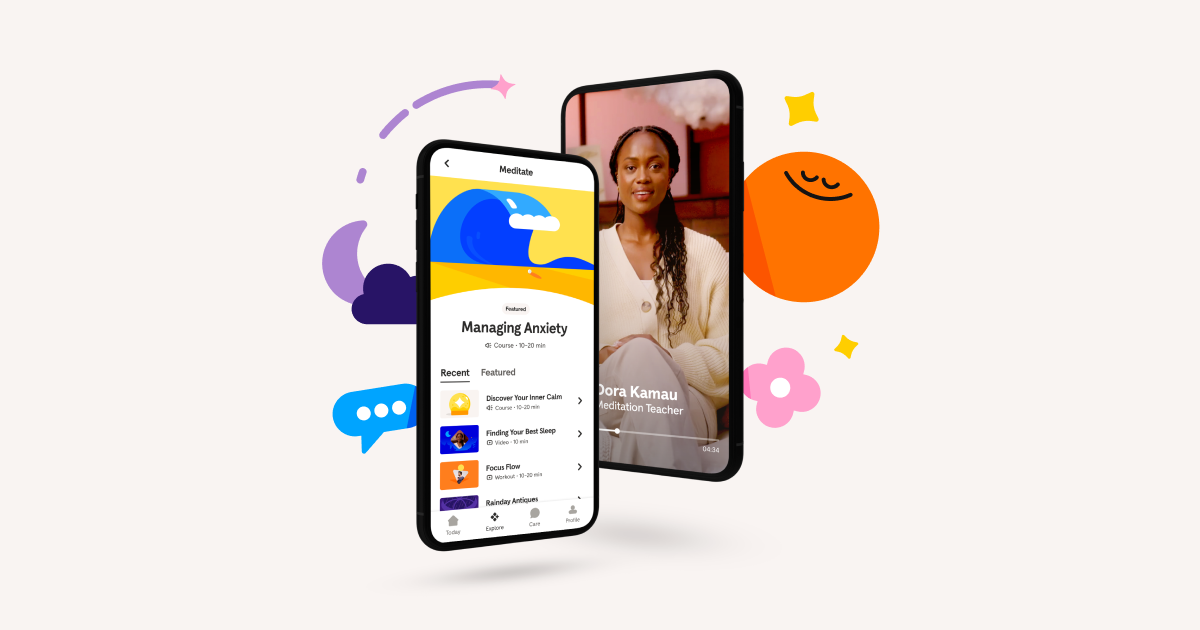
Headspace is a mental‑health app that offers evidence‑based meditation, mindfulness tools, sleep resources and mental‑health coaching. The app was founded to “revolutionize mental health” and help users find more joy and less stress in their everyday lives.
Insight Timer
Hosts the world’s largest free library of over 250,000 guided meditations with 17,000 teachers and live/recorded events right at your finger tips.
Calm
Calm is a popular app that is known for sleep stories and guided meditations that are designed to soothe and relax the nervous system. Helping users with better sleep.
Smiling Mind
The app focuses on social–emotional learning, stress reduction, and wellbeing through meditation and mindfulness practices, with routines and tracking that is suitable for both children and beginners.
Immediate Help
Call or text 9-8-8
Call 811 for non-emergency health advice
Contact your local provincial health authority
Crisis Support
988 (Suicide Crisis Helpline)
National hotline providing 24/7 support; call or text 9‑8‑8 if someone is thinking about suicide.
811 (Health advice)
Non‑emergency number for health and addictions advice; highlighted on Nova Scotia’s site.
Moving Forward with Confidence and Compassion
Taking care of your mental health is a courageous and ongoing process. With the right resources, support, and knowledge, you can navigate challenges and build resilience. Canada’s mental health landscape is rich with options designed to meet diverse needs, and you are never alone in this journey.
If you’re unsure where to begin, contact your family doctor or call a provincial helpline, and remember that crisis support is always available by calling or texting 9‑8‑8.
Explore the vast amount of Mental Health Resources in Canada that is offered and available to you, connect with professionals, and lean on your community for support when you need it.
Share this guide with others who might benefit from its resources or need support for their emotional well-being.


Comments